There’s a certain grace in fashion right now—a quiet, elegant return to softness, femininity, and comfort. The Balletcore trend, which has swept across both TikTok and high fashion runways, isn’t just about tulle skirts and satin ribbons. At its core, it’s sparked one of the most notable footwear revivals in recent years: the comeback of the flat shoe.
Once dismissed as “too simple” or “too sweet,” ballet flats and their flat-soled cousins are now the epitome of chic. But how exactly did this nostalgic, delicate trend breathe new life into a market dominated for years by sneakers and heels? Let’s take a look at how Balletcore reshaped the flat shoe landscape—and why it’s not going anywhere soon.
The Origins of Balletcore: From Barre to Street Style
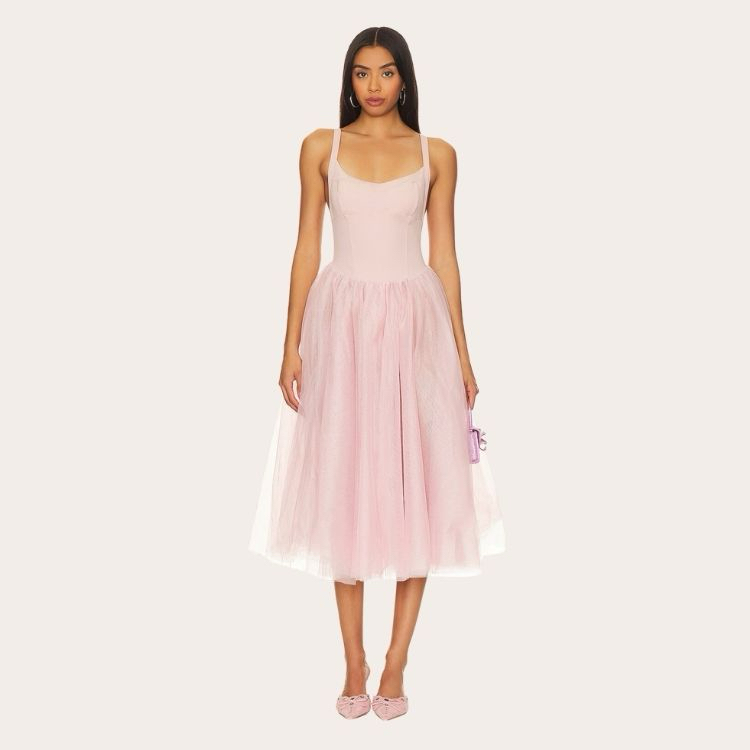
The Balletcore aesthetic finds its roots, unsurprisingly, in the world of ballet itself—sleek silhouettes, soft fabrics, and an aura of effortlessness. But it wasn’t until the early 2020s that the look transcended the studio and became a cultural force.
As fashion swung from the oversized streetwear of the late 2010s to a more refined minimalism, the ballerina-inspired aesthetic offered something fresh. It blended romance and restraint, delicacy and discipline. Think wrap cardigans, pastel leotard tones, sheer tights, and—most importantly—ballet flats.
Designers and brands quickly took notice. Miu Miu, Simone Rocha, Sandy Liang, and The Row all infused their collections with the ballet dancer’s ethos: light, fluid, and quietly powerful. The shoes became the centerpiece—an anchor of both nostalgia and newfound sophistication.
The Return of the Ballet Flat: From “Basic” to Coveted

Once relegated to the back of closets, ballet flats are now the defining shoe of the Balletcore movement. What used to be considered practical (or even boring) has become undeniably stylish, thanks to modern reinterpretations.
The revival started subtly with Miu Miu’s 2022 satin ballet flats, complete with elastic straps and dainty bows—a direct nod to the traditional pointe shoe. Then came Chanel’s cap-toe flats, Aeyde’s minimalist leather versions, and Sandy Liang’s playful ribboned pairs. Suddenly, every brand was offering its take on the ballerina slipper.
The secret to their success? They strike a balance between comfort and elegance, something consumers have been craving post-pandemic. After years of sneakers and slides, people wanted footwear that felt both pretty and practical. Ballet flats fit perfectly into this new fashion rhythm.
Beyond Ballet Flats: The Wider Flat Shoe Renaissance
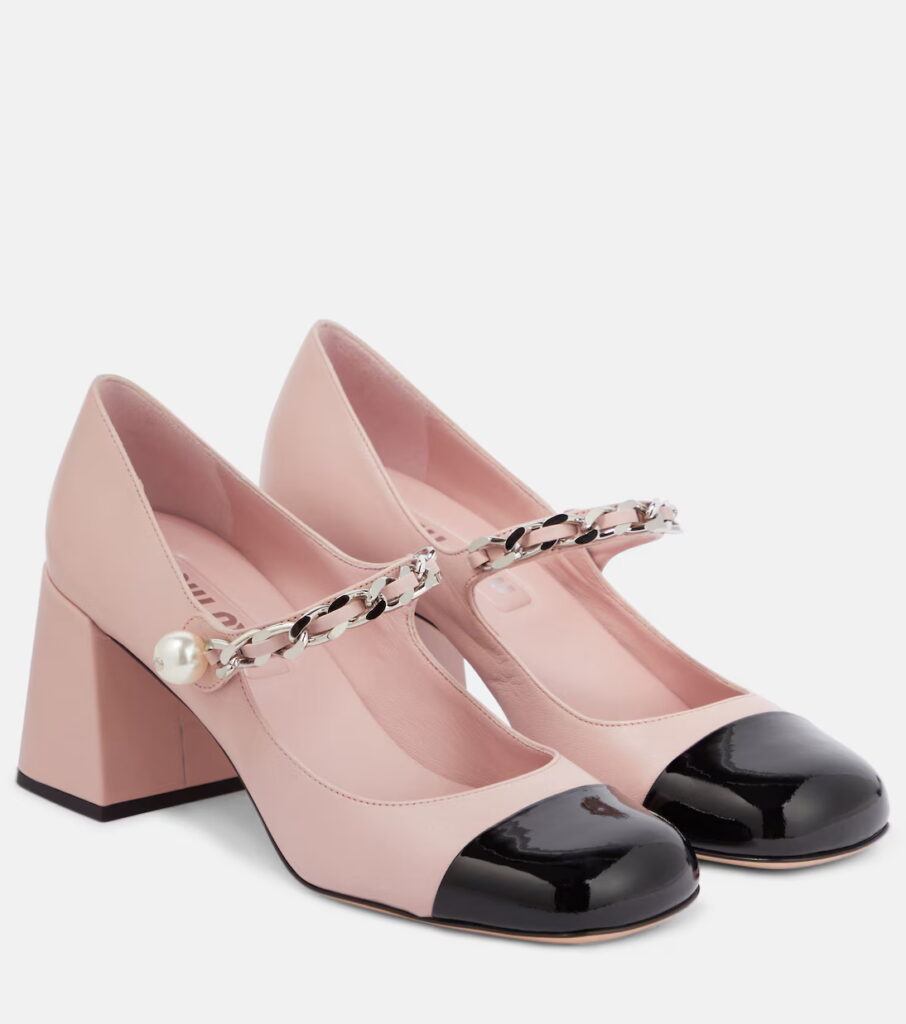
While ballet flats are the stars of the show, the Balletcore effect has rippled across the entire flat shoe category. Mary Janes, loafers, and slipper-style flats—all once seen as niche—have found renewed popularity.
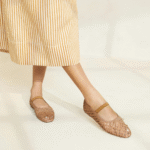
Mary Janes capture the same girlish charm as ballet flats but with a touch of structure. Paired with socks or styled with tailored shorts, they’ve become a street style favorite. Loafers, particularly chunkier versions, balance Balletcore’s sweetness with a dash of androgynous edge—perfect for those who love mixing soft and sharp aesthetics. Mesh and satin slippers, inspired by dance warm-ups, have become luxury staples, worn with everything from jeans to silk skirts.
Together, these styles are redefining what flat shoes can be: not an afterthought, but a statement.
Comfort Is the New Luxury
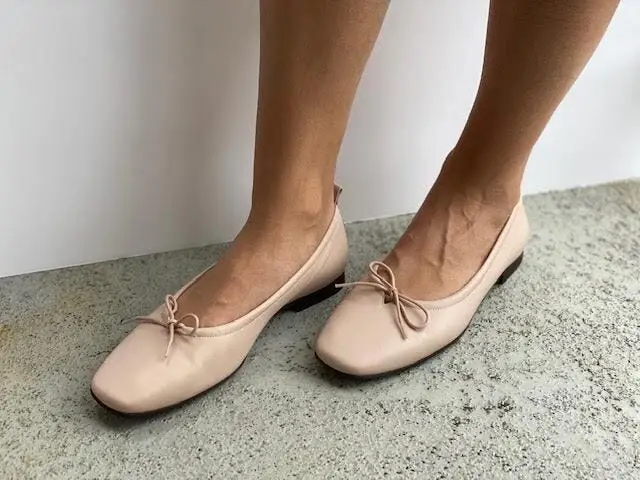
If the 2010s were all about the sneaker boom, the 2020s are proving that comfort doesn’t have to mean sporty. Balletcore took the comfort-first ethos and wrapped it in femininity.
The renewed love for flats coincides with a larger lifestyle shift toward wellness and ease. As workwear evolves into something more fluid and flexible, consumers are no longer willing to sacrifice comfort for style. Flat shoes fit this mindset effortlessly—literally.
Modern versions also come with better craftsmanship and ergonomic design. Brands like Margaux, Everlane, and Repetto now offer cushioned insoles, flexible soles, and high-quality leathers—proof that a beautiful shoe can feel just as good as it looks.
In today’s world, comfort has become the truest form of luxury, and Balletcore embodies that beautifully.
Fashion’s Love Affair with Nostalgia
Another reason Balletcore resonated so deeply is its sense of nostalgia. The trend taps into memories of childhood dance classes, satin ribbons, and the magic of dressing up. It feels romantic yet familiar.
For millennials and Gen Z alike, the return of ballet flats offers a connection to early-2000s icons—think Audrey Hepburn in Funny Face or Alexa Chung’s London-girl charm. These timeless references make the style feel authentic rather than contrived.
In a fashion landscape where maximalism often dominates, Balletcore provides a visual palate cleanser—soft, intentional, and soothing. It’s a form of escapism that also feels attainable.
The Influence of Social Media and Street Style
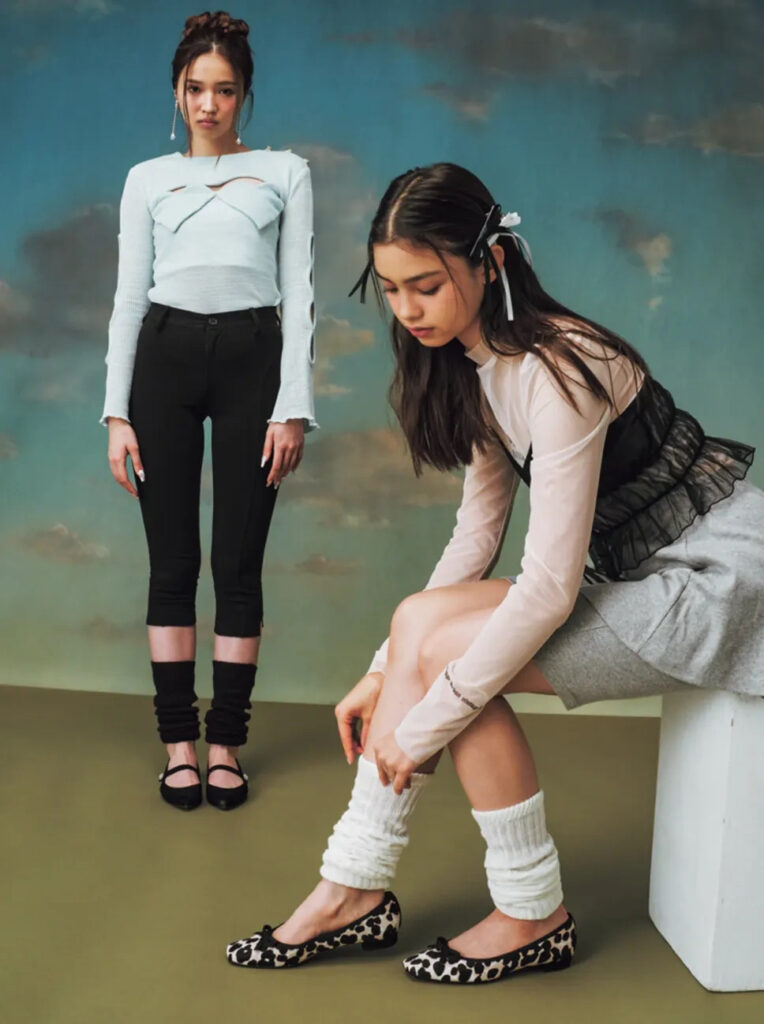
Like all modern fashion movements, Balletcore owes much of its virality to social media. On TikTok, #balletcore has amassed hundreds of millions of views, with creators styling ballet flats alongside oversized knits, pleated skirts, and leg warmers.
The look’s adaptability is part of its charm. You can lean into the full ballerina fantasy with pastel tights and sheer layers—or reinterpret it through a minimalist lens, pairing flats with denim and a crisp white shirt.
Street style influencers have also embraced the movement, bringing Balletcore to life in urban settings. Instead of stage lights and tulle skirts, we see ballet flats on city sidewalks, paired with tailored outerwear and statement accessories. This crossover between performance and practicality is what’s given the trend its staying power.
Designers Leading the Charge
Several luxury houses have played a pivotal role in bringing Balletcore to the mainstream and reviving the flat shoe market. Miu Miu redefined ballet flats with their instantly recognizable satin designs, often styled with leg warmers and micro-mini skirts.
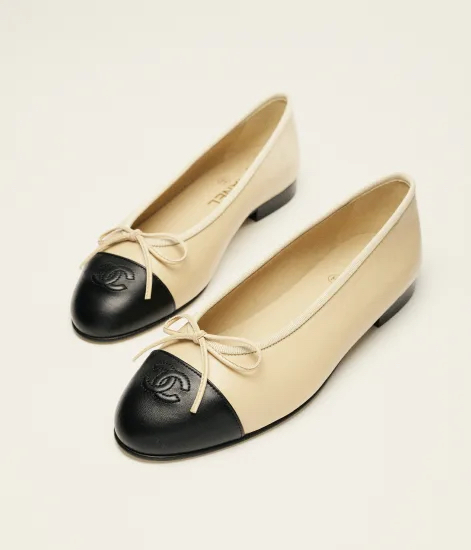
Chanel, whose two-tone flats never truly went out of style, found new relevance as fashionistas rediscovered their timeless appeal.
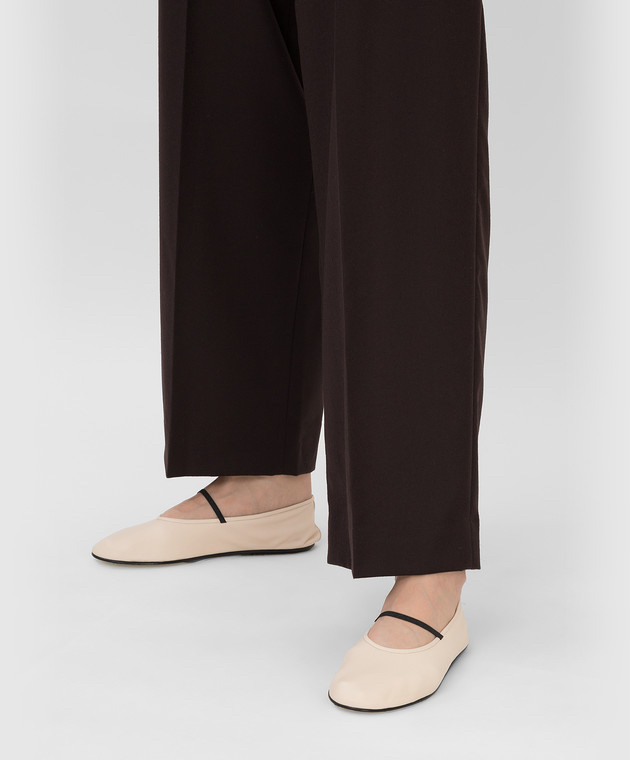
The Row and Aeyde introduced minimalist iterations in buttery leather, bridging luxury and everyday wear.
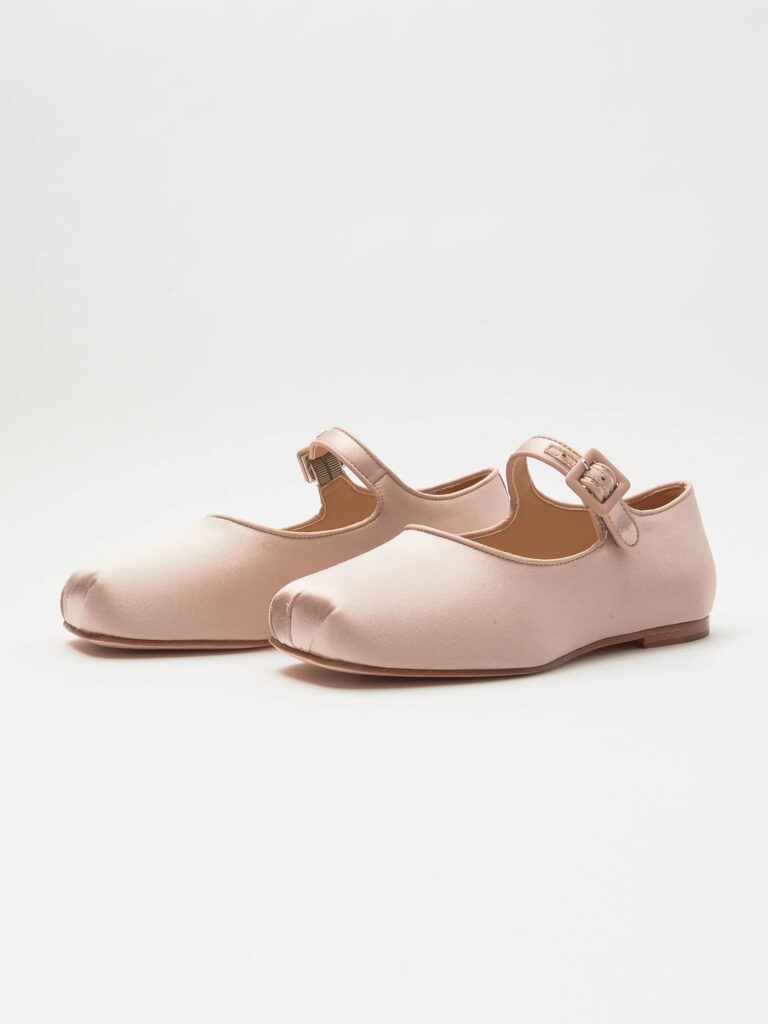
Sandy Liang leaned into the youthful side of Balletcore, creating whimsical, bow-adorned shoes that merge nostalgia with New York cool.
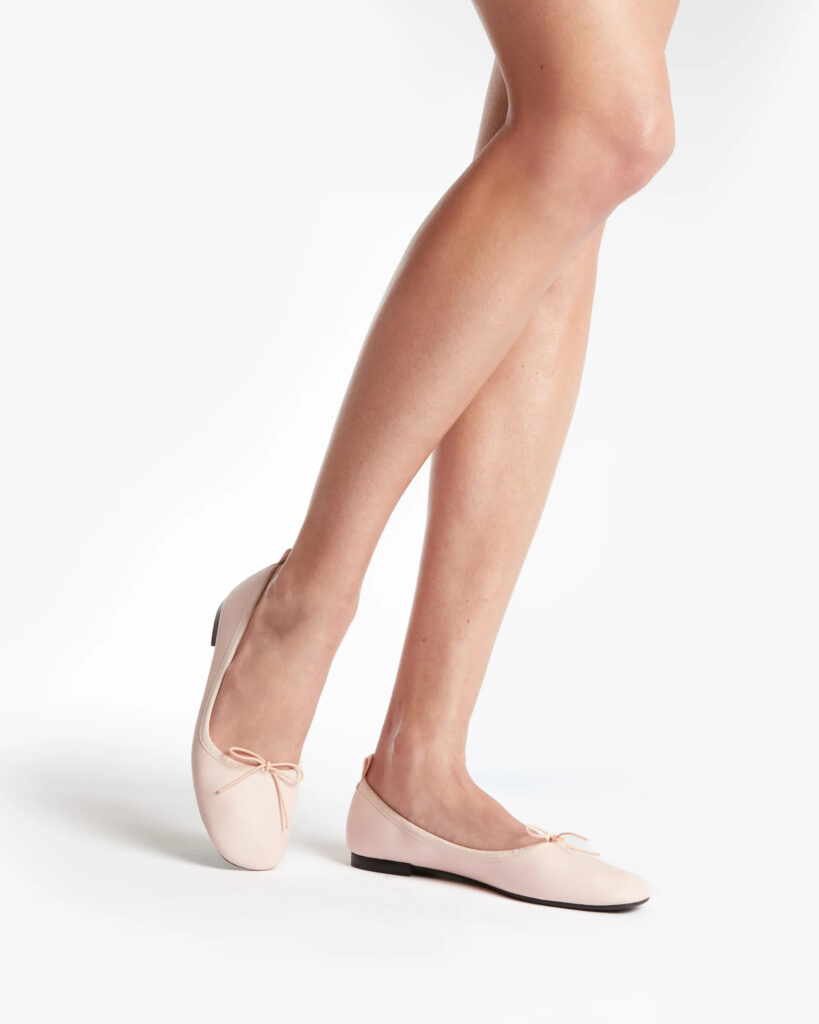
Even athletic-inspired brands have joined the conversation—Repetto, for instance, continues to blend professional dance heritage with streetwear sensibilities.
This collective designer effort has transformed flats from utilitarian basics into objects of desire once again.
Why the Flat Shoe Revival Matters
The Balletcore movement isn’t just a fleeting aesthetic—it marks a larger cultural shift in how we view femininity and fashion. For decades, power dressing was synonymous with height and structure—pumps, stilettos, and towering heels. But today’s generation is rewriting that narrative.
Wearing flats doesn’t mean sacrificing power or sophistication. It’s a declaration of autonomy, comfort, and confidence. It’s saying: “I can look elegant without pain.”
In many ways, Balletcore’s revival of the flat shoe market symbolizes a return to authenticity—a celebration of natural movement, ease, and individuality.
The Future of Balletcore and Flat Shoes
Far from being a passing trend, Balletcore has established itself as a lasting influence on modern fashion. The flat shoe market, once dominated by practicality, is now thriving with innovation and artistry. Expect to see more:
- Mixed materials, like mesh, satin, and leather combinations.
- Sculptural silhouettes that blur the line between slipper and sneaker.
- Sustainable craftsmanship, emphasizing natural materials and durability.
As fashion continues to evolve toward mindful consumption, versatile flats will remain essential. They’re easy to wear, endlessly adaptable, and aligned with the values of modern consumers who care about both comfort and conscious design.
In Conclusion: Grace Is the New Power
The Balletcore trend may have started with ribbons and leotards, but its real legacy lies in how it redefined what it means to be stylish. It proved that elegance doesn’t require elevation—just intention.
By reviving the flat shoe market, Balletcore gave fashion a graceful reset. It reminded us that femininity can be strong, that simplicity can be striking, and that comfort can be aspirational.
Whether you’re slipping into satin ballet flats or structured Mary Janes, you’re not just following a trend—you’re part of a movement that celebrates ease, beauty, and balance. And in today’s fast-paced world, that’s a style worth holding onto.


7 Comments