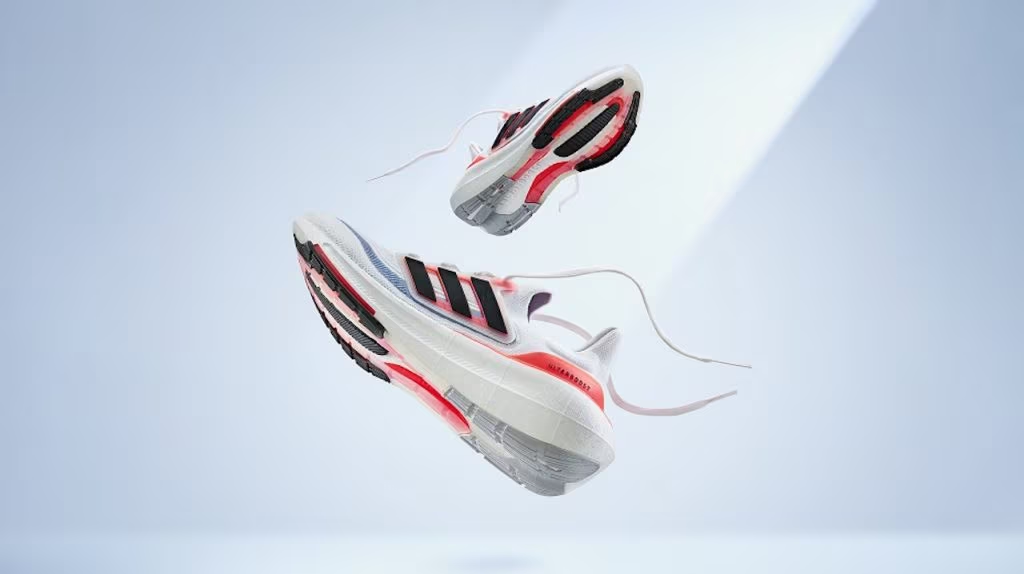
Knit sneakers have become one of the most popular footwear styles of the decade—lightweight, breathable, stylish, and incredibly comfortable. But as much as we love their sock-like flexibility, one complaint comes up again and again: “Do they stretch out?”
The truth is that not all knit sneakers are created equal. While some pairs lose structure after a few months, others hold their shape beautifully thanks to better engineering, materials, and construction.
If you want knit sneakers that stay supportive and sleek, this guide breaks down what makes them durable, how to choose the right pair, and which brands design knits that don’t stretch out over time.
Why Knit Sneakers Stretch Out in the First Place
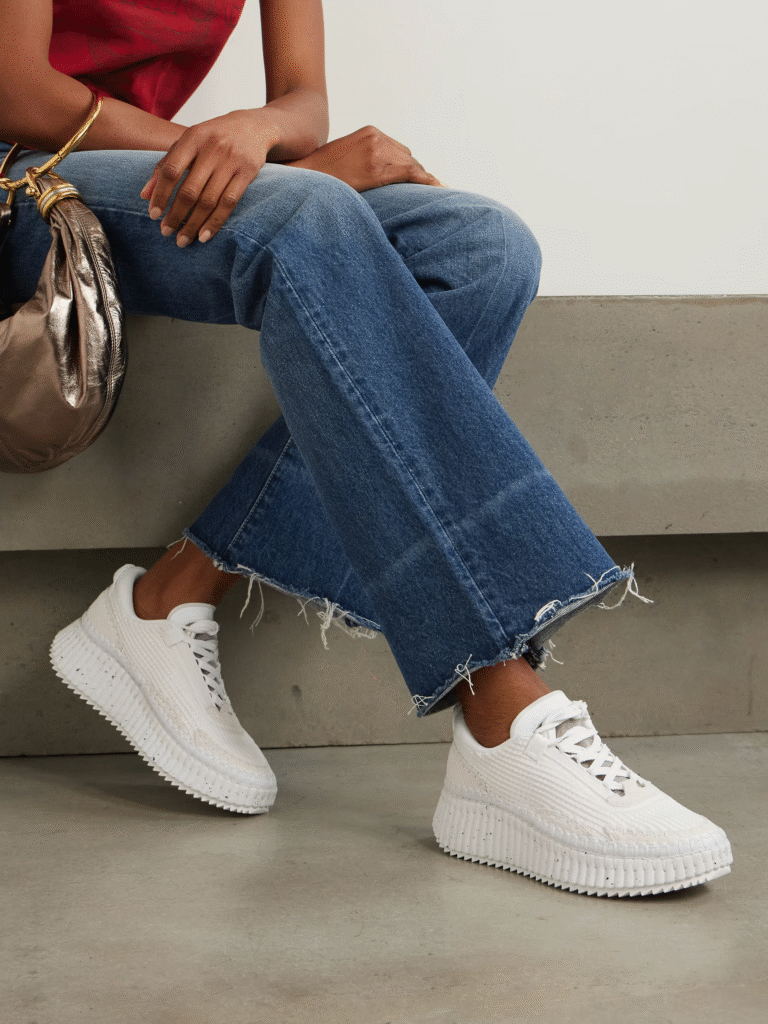
Knit uppers expand with heat, sweat, and motion. While a certain level of flexibility is intentional—your foot naturally swells through the day—low-quality knit materials tend to overstretch and never bounce back. This often happens when brands use:
- Thin, unreinforced knit fabric
- Cheap polyester blends
- Lack of internal structure or overlays
- Weak heel counters or toe caps
The result is a sneaker that feels amazing at first but becomes floppy, baggy, and unstable with regular wear. High-quality knit sneakers solve these issues through thoughtful design and stronger materials.
How High-Quality Knit Sneakers Maintain Their Shape
The secret to a long-lasting knit sneaker lies in the construction. Footwear engineers use a combination of material science and structural design to ensure flexibility without long-term deformation.
1. Strategic Zoning in the Knit Pattern
Premium brands weave the knit in multiple densities. Areas that need breathability are looser, while high-pressure zones—like the midfoot, toe box, and ankle collar—use tighter, reinforced stitching. This prevents sagging and maintains silhouette.
2. Internal Support Cages or Underlays
Many modern knit sneakers hide thin support frames beneath the knit exterior. These create a structured “skeleton” that keeps the shoe aligned without making it stiff.
3. Robust Heel Counters
Stretch usually begins at the heel. Sneakers with molded heel counters—sometimes external, sometimes embedded—stay locked in and prevent heel collapse.
4. Knit Blends with Rebound Properties
Not all fiber blends stretch the same. Shoes made from high-tenacity yarns or elastic fibers with recovery technology bounce back better than basic polyester knits.
5. Quality Construction and Lasting
Some brands shape the knit over performance lasts (foot-shaped molds) that ensure a supportive fit rather than a loose sock-like feel.
When these elements come together, you get a knit sneaker that holds up through workouts, commuting, travel, or everyday wear.
Top Knit Sneakers That Don’t Stretch Out Over Time
1. Adidas Ultraboost Light / Ultraboost 22 Primeknit
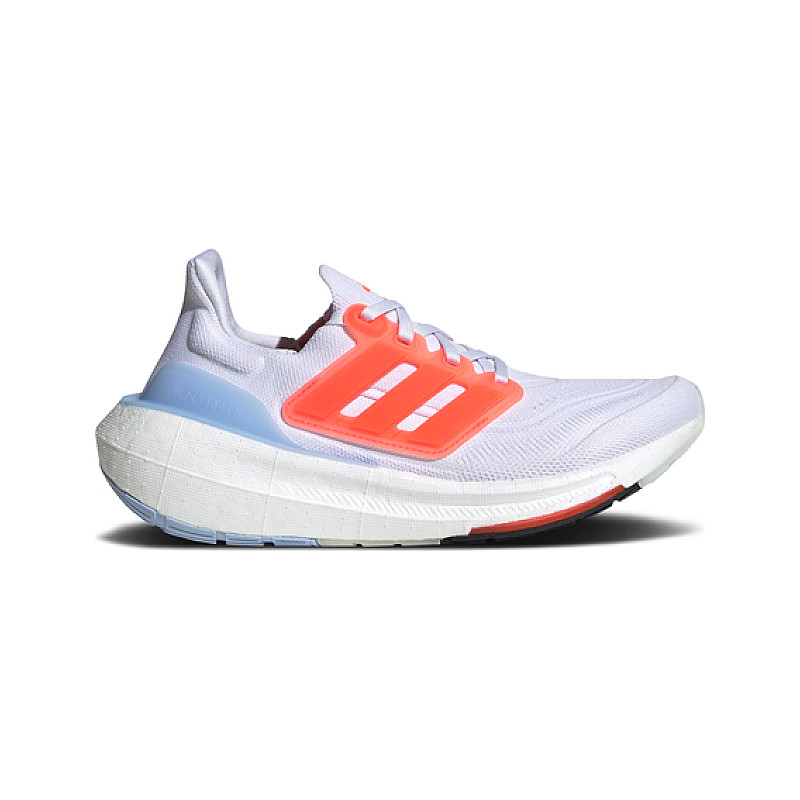
Adidas’ Primeknit is one of the most structured knits in performance footwear. It uses multi-density zones and a supportive internal cage. The heel frame also protects against collapse, making it an excellent long-term option.
2. Allbirds Tree Dasher 2
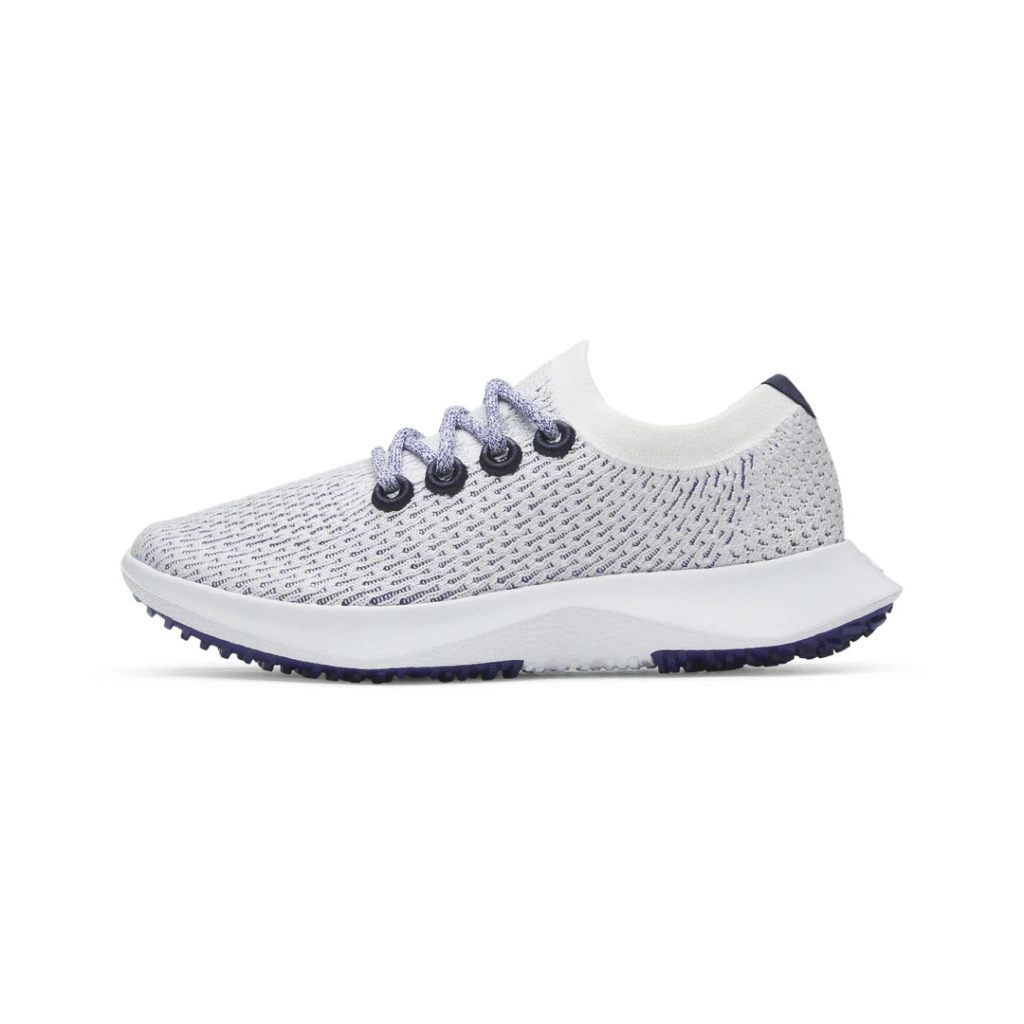
While incredibly soft, the Tree Dasher uses a reinforced upper with added lace cage support. It maintains shape well thanks to structured eucalyptus-based fibers and a firm heel counter.
3. Nike Flyknit Shoes (e.g., Flyknit Racer, React Flyknit models)

Nike Flyknit is designed with directional weaving that tightens around high-stress areas. These models stay snug thanks to their engineered knit and integrated support yarns.
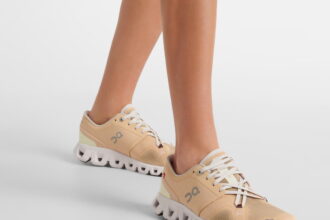
4. On Cloudswift & Cloud X Knit Models
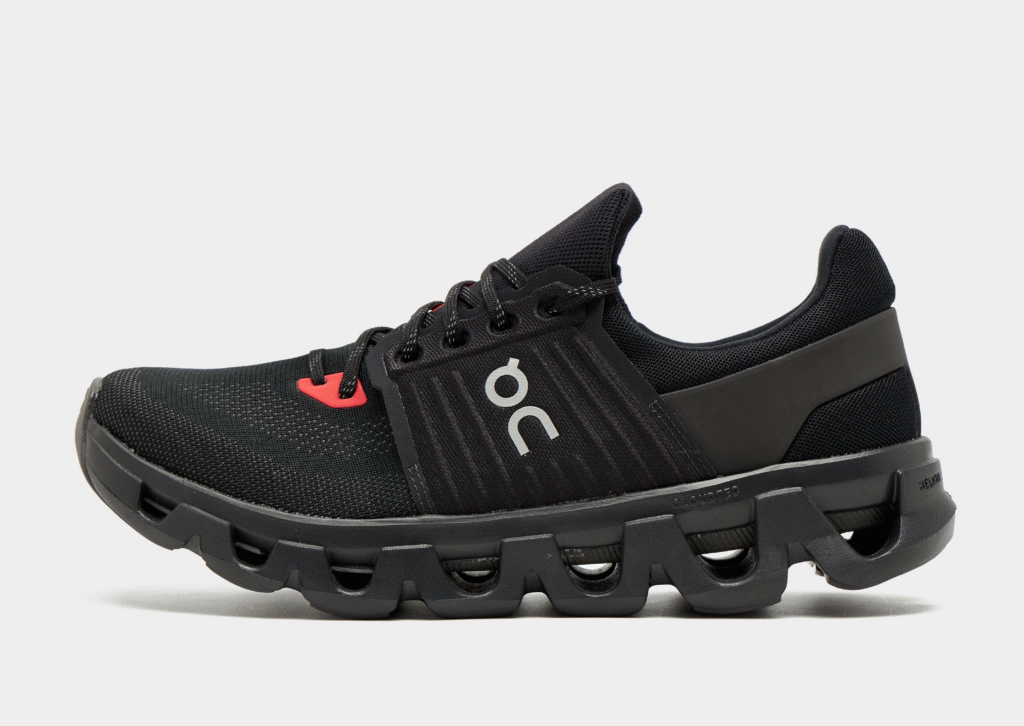
Swiss-engineered knit uppers combine flexibility with strong structure, especially around the midfoot. Their knits use ribbed sections that prevent overstretching.
5. Vessi Waterproof Knit Sneakers

Vessi’s knit is famously shape-retentive due to its waterproof membrane—which adds rigidity and prevents fiber breakdown. This makes them excellent for daily wear and wet conditions.
6. APL TechLoom Pro / TechLoom Phantom
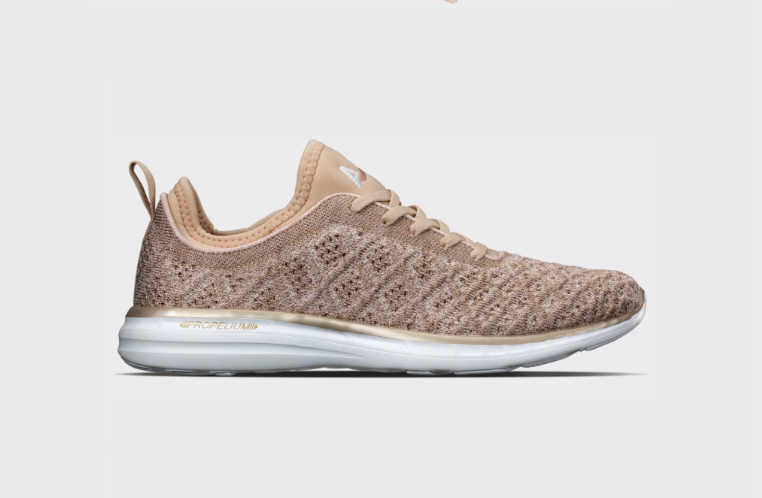
APL’s knit sneakers feature elastic yet supportive uppers that rarely deform. They’re engineered for training, so the knit is thicker and more structured than typical casual knits.
7. New Balance Fresh Foam Roav Knit
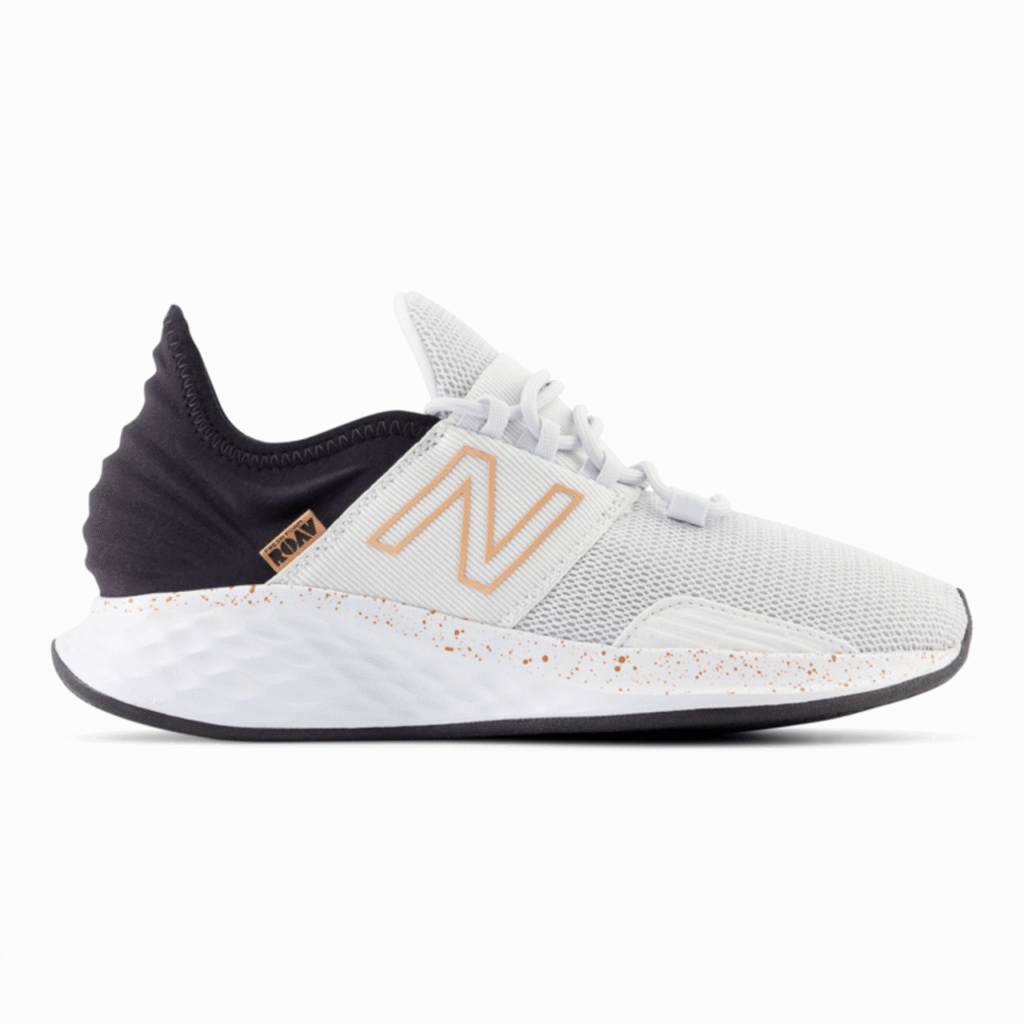
This pair uses a tight, sculpted knit with overlays that hold the shoe’s shape. The stiff heel clip also prevents stretching at the rear.
How to Choose Knit Sneakers That Stay Supportive
Knit sneakers are loved for their lightweight feel and breathable construction. Slip into a good pair and they almost feel like wearing socks with a sole. That comfort is exactly why they became so popular over the past decade. The challenge, though, is that not every knit sneaker holds its shape over time. Some pairs start off snug and supportive but gradually stretch, leaving the shoe feeling loose or unstable after a few months of wear. Choosing the right pair from the beginning makes a big difference.
The first thing to look at is the structure of the knit itself. High-quality knit sneakers rarely use a single uniform weave across the entire upper. Instead, they rely on engineered knit patterns. Certain areas, like the midfoot and toe box, are woven more tightly to provide structure, while other areas remain flexible for comfort and airflow. This kind of zoned knit construction helps the shoe maintain its shape instead of sagging or stretching unevenly.
Heel support is another detail that matters more than people realize. The back of the shoe should feel firm and secure rather than soft and collapsible. Many well-designed knit sneakers include an internal heel counter or a molded heel cup hidden beneath the fabric. This part of the shoe helps anchor your foot in place and prevents the knit material from losing its shape over time. If the heel folds easily when you press it with your hand, the shoe may not offer long-term support.
A supportive knit sneaker also relies on a solid midsole. While the knit upper provides flexibility and comfort, the midsole does the real work of cushioning and stability. Look for midsoles made from high-quality foams such as EVA blends or responsive cushioning technologies used by major athletic brands. These materials absorb impact while keeping the foot stable. When the midsole is well designed, the knit upper becomes a comfortable extension rather than the main source of support.
The fit around the midfoot is equally important. Some knit sneakers use integrated lacing systems or side panels that tighten the upper around the foot. This creates a more secure feel without making the shoe stiff. A snug midfoot fit prevents the knit from overstretching in high-movement areas, which is one reason performance-oriented knit sneakers often last longer than purely fashion-focused ones.
Material quality should not be overlooked either. Not all knit fabrics are the same. Premium knit uppers often blend elastic fibers with stronger yarns that return to their original shape after being stretched. Cheaper knits tend to lose elasticity more quickly, which is when the shoe begins to feel baggy. When trying on knit sneakers, pay attention to how the fabric responds when you move your foot. A good knit will feel flexible but still slightly resistant.
Finally, consider the purpose of the sneaker. Some knit shoes are designed primarily for casual wear, while others are built for running, training, or all-day walking. Athletic-focused models tend to have better structural elements because they are designed to handle repeated movement. If long-term support is your priority, choosing a knit sneaker from a performance line rather than a purely lifestyle collection is often a safer bet.
Knit sneakers can absolutely stay supportive over time when they are designed well. By focusing on engineered knit construction, strong heel support, quality midsoles, and durable materials, you can find pairs that deliver both comfort and structure. The right knit sneaker should feel light and flexible without ever feeling flimsy, giving you the best balance between modern design and long-lasting support.
How to Keep Knit Sneakers from Stretching Out
Knit sneakers are comfortable for a reason. The fabric upper flexes easily, adapts to your foot, and feels lighter than traditional leather or synthetic materials. But that same flexibility can become a downside if the shoes aren’t cared for properly. Over time, constant pressure, moisture, and repeated movement can cause knit uppers to loosen or lose their shape. A few simple habits can help your sneakers stay supportive and structured for much longer.
One of the easiest ways to prevent stretching is to rotate your sneakers instead of wearing the same pair every day. When knit shoes are worn continuously, the fibers remain under constant tension and don’t have time to recover their original shape. Giving a pair a day or two of rest allows the knit material to relax and rebound naturally. If sneakers are part of your daily wardrobe, keeping two or three pairs in rotation can noticeably extend their lifespan.
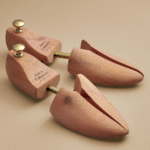
Another useful habit is inserting shoe trees when the sneakers are not being worn. Lightweight shoe trees help maintain the shape of the toe box and keep the knit upper from collapsing inward. They are especially helpful for leather sneakers, but they can also support knit models by preventing the fabric from curling or sagging over time. Just make sure the shoe tree fits properly. If it is too large, it can stretch the knit rather than protect it.
Cleaning your knit sneakers carefully also plays a role in preserving their structure. Harsh washing cycles or hot water can weaken elastic fibers in the fabric. When sneakers need cleaning, it is usually best to hand wash them with mild soap and cool water. If you do use a washing machine, placing the shoes inside a laundry bag and using a gentle cycle can reduce stress on the material. After washing, always let them air dry instead of using a dryer. Heat is one of the fastest ways to damage knit fabrics.
Proper storage is another detail that often gets overlooked. Tossing sneakers loosely into a closet or gym bag can cause them to bend and lose shape. Instead, store them upright in a cool, dry place where the upper can keep its natural form. Avoid leaving knit sneakers in hot environments like cars or near direct sunlight for long periods, as heat can weaken the fibers and cause the material to stretch more easily.
The way you put on and take off your sneakers matters too. Many people step on the heel or pull aggressively on the collar when slipping their shoes on. Over time, that habit can stretch the knit around the opening and heel area. Using the laces properly and loosening the shoe slightly before putting it on helps preserve the structure of the upper.
Even small details, like how tightly you lace your sneakers, can make a difference. Over-tightening the laces puts unnecessary strain on the knit fabric around the eyelets and midfoot. A secure but comfortable fit is ideal. It should hold your foot in place without pulling the knit material too tightly.
With the right care, knit sneakers can stay supportive and well-shaped far longer than many people expect. Rotating pairs, storing them carefully, cleaning them gently, and using shoe trees are simple habits that protect the fabric and maintain the structure of the shoe. Knit sneakers are designed to flex and move with your foot, but with a little attention, they can do that without losing their form.
Why Knit Sneakers Are Still Worth It
Despite their reputation for stretching, knit sneakers remain favorites for good reason. They’re breathable, adaptive, lightweight, and stylish—ideal for travel, casual days, and even workouts. Choosing a high-quality pair eliminates most issues and gives you the best of both worlds: flexibility and long-term structure.
As knit technology advances, many brands now engineer uppers that stay supportive for years. With the right selection and care, you can enjoy the comfort of a knit sneaker without dealing with sagging, overstretched fabric.
Final Thoughts
Knit sneakers don’t have to stretch out and lose their shape. By understanding the construction behind good knit technology—and choosing brands known for durability—you can find a pair that stays snug, structured, and stylish through countless wears. Whether you prioritize performance, everyday comfort, or minimalist fashion, today’s knit sneaker market has reliable options that won’t deform with time.
If you want the perfect balance of comfort and structure, start with brands like Adidas, Nike Flyknit, On, APL, Vessi, and Allbirds. These labels have spent years refining knit engineering, giving you sneakers that feel soft and breathable yet stay tight and supportive long after unboxing.
FAQ: Knit Sneakers That Don’t Stretch Out Over Time
Some knit sneakers can stretch slightly with wear because the material is designed to be flexible and breathable. However, well-engineered knit uppers use reinforced stitching and stronger fibers to help the shoe maintain its shape while still feeling comfortable.
The main difference comes down to construction quality. Basic knit sneakers often use thin fabric with little structural support, while higher-end models use engineered knit patterns, internal support cages, and stronger yarns that prevent excessive stretching.
Yes, many modern knit sneakers are designed with supportive midsoles, heel counters, and reinforced knit zones. These features help stabilize the foot while still providing the lightweight comfort that knit materials are known for.
Look for signs of engineered construction. Quality knit sneakers usually have varying knit densities across the upper, a firm heel counter, and a structured midsole. If the fabric rebounds quickly when pressed and the heel feels supportive, the shoe is more likely to maintain its shape.
Knit sneakers often feel more sock-like because the material stretches slightly to conform to your foot. Mesh uppers usually feel more structured and breathable but may not adapt to foot shape as much as knit designs.
Rotating your shoes, avoiding excessive heat when cleaning or drying them, and storing them with shoe trees can help maintain their shape. Gentle care and proper storage can significantly extend the life of knit sneakers.
Yes. Many people prefer knit sneakers for travel because they are lightweight, breathable, and comfortable for long periods of walking. Choosing a model with a supportive midsole and reinforced knit upper helps ensure durability.
For most people, yes. Knit sneakers offer excellent breathability, flexibility, and comfort. When you choose well-constructed models and take care of them properly, they can stay supportive and maintain their shape for a long time.

One Comment